Tutorial
The Roadmap: Plan Your Website Backwards From Revenue
Building a site is easy; getting visitors and revenue is hard. Plan backwards: monetization first, then traffic, then demand, then building.
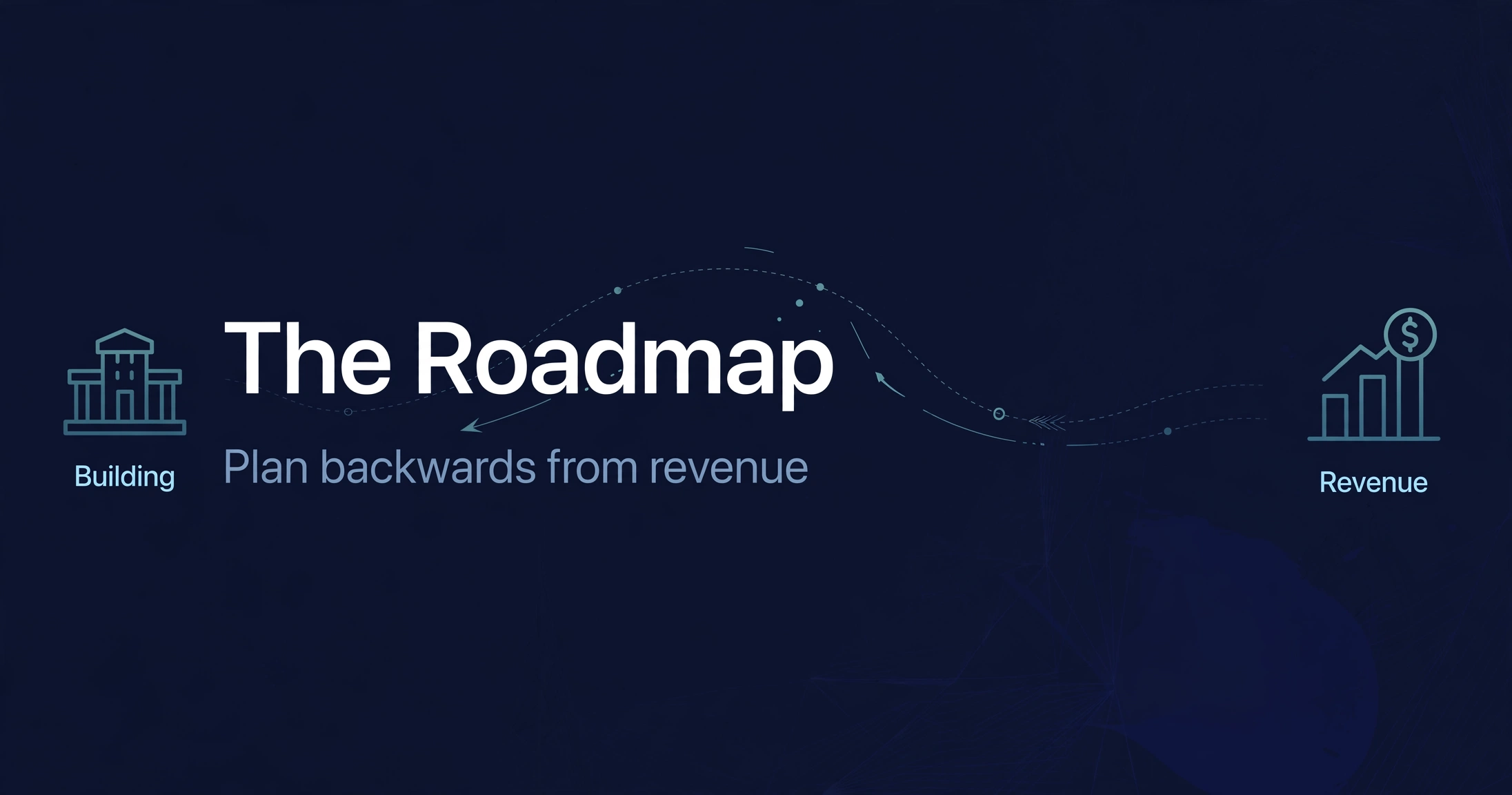
Building a website is the easy part. Getting people to visit it, and turning those visits into income, is where most projects stall. That is why this roadmap runs backwards: start from the money, then work back to traffic, then to demand, and only then to building. If the last step cannot pay, the earlier steps do not matter.
Start from the end: four ways a site earns
Before writing any code, decide how the site will make money. There are four broad paths:
- Advertising. Visitors see ads; the site owner collects a share. This needs volume — the more visits, the more revenue.
- Commerce and referrals. The site guides visitors toward a purchase: a store, a dropshipping setup, or affiliate links that earn a commission.
- Charging users directly. Subscriptions, one-time payments, or paid features. Overseas users tend to pay more readily than domestic ones, but you must have a working payment channel before you can collect anything — typically an overseas business entity plus an international payment provider.
- Funneling traffic to your own paid product. The site is free; the revenue happens inside an app or service it points to.
Pick one before you pick a niche. A site designed for ads looks different from a site designed for subscriptions: different pages, different calls to action, different traffic targets.
Then traffic: free and paid
Traffic comes in two kinds. Free traffic includes search rankings, posts in communities, and word of mouth. Paid traffic means buying ads. For beginners, free traffic is the realistic starting point, and search is the most durable source of it.
One pattern deserves attention because it explains how large sites grow so fast: publishing many pages in bulk. When a site covers a huge number of specific queries with templated pages, its search traffic can compound quickly. Reported cases in the original article include a travel site whose traffic grew roughly twentyfold in three months after bulk page generation, a dictionary site whose daily visitors doubled from about half a million to about a million within half a year, and a site modeled on a trending AI app that picked up millions of visits within twenty days of launch. These are exceptional outcomes, not promises — but they show why page volume, aimed at real queries, matters at scale.
Then demand: find a need before you build
A site without a real need behind it has nothing to rank for and nothing to sell. Ways to surface needs include watching rankings and data, following new trending terms, talking to people about what they struggle with, and studying what already works for others. Once you find a candidate keyword, judge how hard it is to rank for before committing. That judgment — demand plus difficulty — is the core skill of the whole series, and later articles cover it in detail.
Then building: keep it light
The technical bar is lower than most beginners fear. You do not need to buy a server or adopt a heavy framework to start. A hand-written page deployed to a hosting platform can be live the same day. After launch, submit the site to search engines, add structured data where it fits, and monitor performance with webmaster tools. The build is the smallest part of the job; the planning above it is the actual work.
Two reminders from real cases
Speed is possible when the groundwork is done: one builder launched a site on the day a popular app shipped, got indexed within about an hour, and started earning quickly. Another community member’s new site passed ten thousand unique visitors in nine days. Both cases share the same shape — the demand already existed, and the site was ready when it arrived.
And one piece of preparation that costs nothing but saves weeks later: register your overseas accounts early — email, social, community, and developer accounts — and log in to them regularly so they stay active. When you need them for launch, promotion, or payments, they will be ready.
What to do this week
- Write down your monetization path in one sentence.
- List three candidate needs and check whether people are actually searching for them.
- Sketch the traffic plan: which search queries, which communities, which pages.
- Only then start building — and ship the smallest version that can be found and used.
Series: Build Overseas Websites with GeFei
Based on GeFei’s methodology (哥飞): https://github.com/qiayue/opengefei